Table of Contents
The cost of living in Australia remains one of the biggest financial concerns for households in 2026. Even though inflation has slowed compared to previous years, Australians are still paying significantly more for groceries, electricity, rent, insurance, childcare, and healthcare.
To reduce financial pressure, federal and state governments continue to offer a range of Cost of Living Payments, rebates, concessions, and Centrelink support programs throughout 2026.
If you’re wondering:
- Who qualifies for Cost of Living Payments in Australia
- How much you could receive
- When payments are made
- Whether Centrelink recipients are eligible
- Which states offer extra rebates
This guide explains everything clearly with updated 2026 information.
Cost of Living Payments 2026 Australia
| Support Type | Who Can Get It | Typical Benefit |
| Energy Bill Rebates | Pensioners, concession holders, low-income households | Electricity bill credits |
| Centrelink Indexation | Pensioners, JobSeeker, carers, families | Increased fortnightly payments |
| Commonwealth Rent Assistance | Eligible renters on Centrelink | Higher rental support |
| State Government Rebates | Seniors, families, healthcare card holders | Cash payments and concessions |
| Family Support Payments | Low-income families | School and childcare assistance |
What Are Cost of Living Payments?
Cost of Living Payments are financial support measures designed to help Australians manage rising household expenses.
These payments may come from:
- The Australian Government
- State governments
- Territory governments
- Utility rebate schemes
- Centrelink assistance programs
Support may include:
- One-off cash payments
- Electricity rebates
- Rent assistance
- Pension increases
- Family tax support
- Healthcare concessions
- Public transport discounts
Unlike COVID-era stimulus payments, most 2026 Cost of Living Payments are targeted toward Australians facing genuine financial pressure.
Why Cost of Living Payments Are Still Important in 2026
Although inflation has moderated, everyday costs remain high across Australia.
According to the Australian Bureau of Statistics, major household expenses including housing, electricity, food, insurance, and medical services continue to rise faster than many household incomes.
Main Financial Pressures Facing Australians
Rising Rental Costs
Rental affordability remains a major issue in cities including:
- Sydney
- Melbourne
- Brisbane
- Perth
Vacancy rates remain low, keeping weekly rents elevated.
Higher Energy Bills
Electricity and gas prices continue to impact households, especially during peak summer and winter periods.
Many state governments now provide targeted electricity rebates for concession card holders and low-income earners.
Mortgage and Interest Rate Pressure
Australians with home loans are still dealing with higher mortgage repayments following interest rate increases over recent years.
Grocery and Insurance Costs
Food prices, car insurance, home insurance, and healthcare expenses remain substantially above pre-2022 levels.
Who Is Eligible for Cost of Living Payments in Australia?
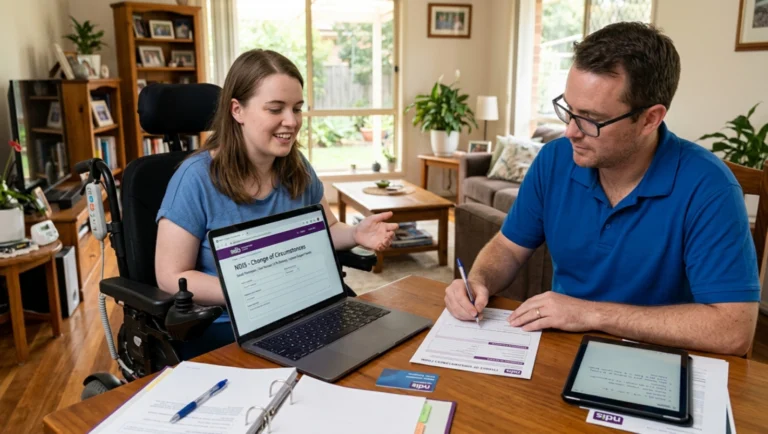
Australians living with disabilities may also qualify for additional financial support through Centrelink and National Disability Insurance Scheme (NDIS) programs. Many households accessing ndis assistance with daily living services may also be eligible for energy rebates, concession programs, and other Cost of Living Payments available in 2026.
Centrelink Recipients
Many Cost of Living Payments are linked directly to Centrelink eligibility.
You may qualify if you receive:
- Age Pension
- JobSeeker Payment
- Disability Support Pension
- Parenting Payment
- Carer Payment
- Youth Allowance
- Austudy
- ABSTUDY
Eligible recipients managed through Services Australia often receive payments automatically.
Pensioners and Seniors
Australian seniors remain one of the largest groups receiving financial support in 2026.
Eligible seniors may receive:
- Pension increases
- Energy supplements
- Seniors concession rebates
- Utility discounts
- Public transport concessions
- Council rate discounts
Many programs also apply to Commonwealth Seniors Health Card holders.
Low-Income Families
Families struggling with rising childcare, school, and living expenses may qualify for:
- Family Tax Benefit support
- School cost assistance
- Childcare subsidies
- Utility rebates
- Rent assistance
Eligibility usually depends on annual household income and dependent children.
Renters Receiving Housing Support
Rental stress remains severe across Australia.
Eligible renters may receive:
- Commonwealth Rent Assistance
- State housing grants
- Bond support schemes
- Emergency hardship payments
Private renters receiving Centrelink support are typically prioritised.
Federal Cost of Living Payments in 2026
The Australian Government continues several major support programs in 2026.
Energy Bill Relief Payments
Energy rebates remain one of the largest forms of financial support available.
Eligible households may receive:
- Electricity bill credits
- Quarterly energy rebates
- Gas bill assistance
- Utility hardship support
Support is commonly available to:
- Pensioners
- Healthcare card holders
- Veterans
- Low-income households
Centrelink Indexation Increases
Many Australians receiving government support may see increased payment rates during 2026 through scheduled Centrelink indexation adjustments. This is particularly important for pensioners and Australians tracking updates related to disability pension bonus payments, Age Pension increases, and other supplementary financial support designed to ease ongoing cost-of-living pressure.
Indexed payments may include:
- Age Pension
- JobSeeker
- Disability Support Pension
- Parenting Payment
Commonwealth Rent Assistance
Rent Assistance has increased significantly in recent years due to Australia’s rental crisis.
Eligible renters may receive additional fortnightly support depending on:
- Rent paid
- Household structure
- Income
- Relationship status
State-Based Cost of Living Payments 2026
Many Australians are eligible for additional state-based support beyond federal payments.
New South Wales Cost of Living Support
Residents in New South Wales may access:
- Electricity rebates
- Family vouchers
- Toll relief
- Active Kids support
- Seniors concessions
Victoria Cost of Living Rebates
The Victoria government continues to provide:
- Power Saving Bonus programs
- Utility Relief Grants
- School savings assistance
- Healthcare concessions
Queensland Cost of Living Assistance
Eligible residents in Queensland may qualify for:
- Electricity rebates
- Regional energy support
- Seniors assistance
- Emergency financial relief
Western Australia Rebates
Support in Western Australia commonly includes:
- Household electricity credits
- Cost of living concessions
- Regional utility support
South Australia, Tasmania, ACT & Northern Territory
Other states and territories also provide:
- Water concessions
- Medical heating support
- Emergency assistance
- School subsidies
- Transport concessions
When Will Cost of Living Payments Be Paid in 2026?
Payment dates depend on the type of support.
Automatic Centrelink Payments
Many federal payments are:
- Automatically processed
- Deposited into bank accounts
- Paid alongside regular Centrelink cycles
No separate application is usually required.
State Government Rebates
Some state rebates require online applications and supporting documents.
Processing times may vary from several days to several weeks.
Federal and State Budget Announcements
New Cost of Living Payments are often announced during:
- Federal Budget releases
- State Budget announcements
- Mid-year economic updates
Most announcements occur between May and October annually.
How to Check Your Eligibility
You can check eligibility through:
- MyGov
- Centrelink online accounts
- State government concession websites
- Energy provider rebate pages
Eligibility is usually based on:
- Household income
- Centrelink status
- Age
- Residency
- Concession card type
How to Apply for Cost of Living Payments
Some payments are automatic, while others require manual applications.
Documents You May Need
Prepare the following:
- Centrelink CRN
- Concession card details
- Proof of identity
- Electricity bills
- Rental agreements
- Bank account details
Common Mistakes That Delay Payments
Many Australians miss payments due to simple errors.
Avoid:
- Outdated Centrelink details
- Incorrect bank information
- Expired concession cards
- Missing supporting documents
- Ignoring application deadlines
Cost of Living Payment Scams Are Increasing
Scammers frequently target Australians during government payment announcements.
Never provide personal information through:
- Unverified text messages
- Social media links
- Suspicious emails
- Unknown callers
Always use official government websites.
Expert Tips to Maximise Your Cost of Living Support
Many Australians unknowingly miss available rebates and concessions.
Practical Ways to Increase Financial Support
- Review concession eligibility every year
- Compare electricity providers regularly
- Check state-specific rebate programs
- Update Centrelink details immediately
- Monitor federal budget announcements
- Ask utility providers about hardship programs
Even smaller rebates can reduce annual household expenses significantly.